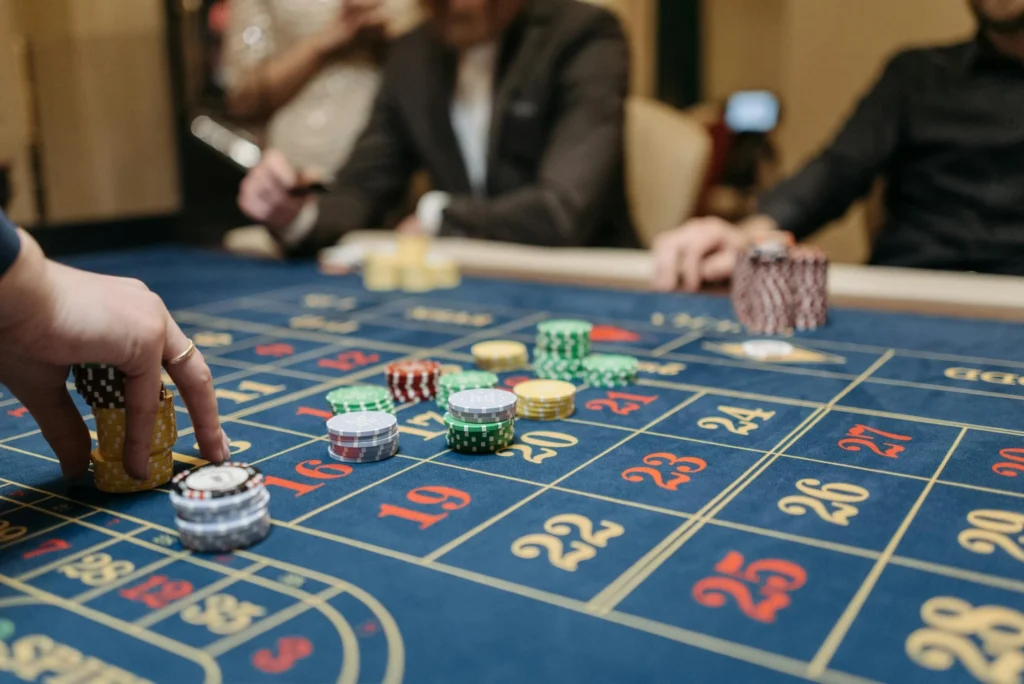
There’s a unique kind of electricity in the air just before something begins. Whether you’re an actor poised behind the curtain for opening night or a poker player about to reveal your opening hand, that initial moment is rich with tension, excitement, and possibility. It’s the start of something unknown and potentially unforgettable. Both theatre and gambling thrive on this rush—where preparation meets risk, and where performance can make or break the outcome. In the world of theatre, opening night is more than just the first show; it’s the culmination of hard work, trust, and a leap into the spotlight. That same intensity exists in casino culture, where the first cards dealt or spins taken often determine how the game unfolds. This connection between the performing arts and gambling is explored through the lens of creative risk in check it out on aussietheatre.com.au. The article captures how artists and producers must bet on their vision, just as players must trust their instincts. First impressions, in both arenas, matter more than most people realise—and they often determine the emotional tone for everything that follows.
Rehearsed or Ready? The Preparation Behind the Performance
Before any spotlight shines or card hits the table, there’s groundwork to be done. Actors spend weeks rehearsing, learning cues, and fine-tuning their delivery. Likewise, professional players refine their strategy, calculate odds, and mentally prepare for the game ahead. The thrill of the first move comes not just from luck, but from the tension between preparation and unpredictability. Success in either domain requires confidence under pressure—and the ability to perform when it counts.
Making Your Entrance Count: The Psychology of the First Move
A strong entrance can set the tone for everything that follows. On stage, the first few lines often determine audience engagement. At the poker table, the first hand can establish your table image. Do you play conservatively or go bold? Each choice sends a signal, and that signal can influence how the rest of the game—or show—unfolds. First impressions aren’t just fleeting; they shape perception, set expectations, and can provide a psychological edge.
All Eyes on You: The Role of the Observer
Whether it’s an audience seated in rows or opponents watching across a felt table, the presence of observers changes how we act. In theatre, the audience’s energy can elevate a performance. In gambling, being watched adds psychological pressure, especially when money is on the line. Both settings demand composure. That public spotlight—literal or metaphorical—intensifies the opening moment, making every move feel more meaningful.
The Shared Thrill of the Unknown
What makes opening moments so compelling is the uncertainty. Even with the best preparation, no one knows exactly how a show will be received or how the cards will fall. That suspense—that fine balance between control and chaos—is what draws people back. It’s why actors return to the stage night after night, and why players chase the thrill of the next hand. In both worlds, the magic lies in the possibility of what might happen next.
Conclusion: Moments That Define the Experience
Whether it’s a debut performance or a strategic opening bet, those first few moments carry weight. They demand attention, courage, and a willingness to take risks. While the outcomes may vary, the shared intensity of starting something new is universal. For performers and players alike, it’s in those opening seconds that the real drama begins—and anything becomes possible.